
Summit Institute for Development at SEMILOKA 2026: Advancing Data-Driven Public Health

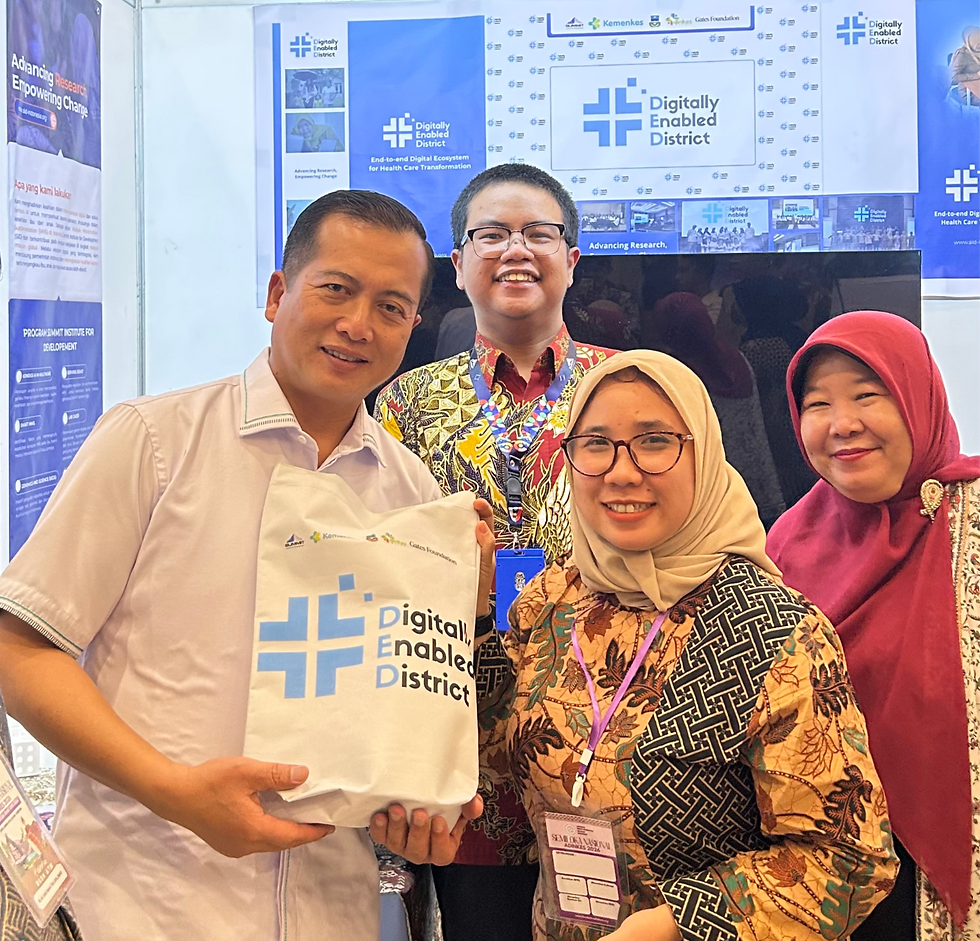
The Governor of West Nusa Tenggara, Dr. H. Lalu Muhamad Iqbal, S.IP., M.Si visits the Digital Enabled District (DED) booth by Summit Institute for Development.
Lombok Raya Hotel, April 28 – May 1, 2026 Summit Institute for Development proudly participated in the Seminar dan Lokakarya Nasional (SEMILOKA) 2026, organized by the District Health Officer Association in Indonesia. This national forum brought together health leaders and stakeholders to strengthen commitment, strategy, and capacity at district and primary healthcare levels.
This year’s SEMILOKA highlighted several priority areas in public health, including:
Non-communicable diseases, particularly hypertension and diabetes
Stunting prevention
Implementation of smoke-free areas
Communicable diseases such as HIV/AIDS, tuberculosis, and malaria
During the event, Summit Institute for Development presented two key innovations that demonstrate its commitment to strengthening Indonesia’s health system through data-driven and technology-enabled approaches.
Digitally-Enabled District (DED)
Presented by Apt. Yodi Sirojudin, S.Si., M.H.Kes (Secretary of the Garut District Health Office), the DED initiative highlighted a strong collaboration between Summit Institute for Development and local governments to successfully establish an integrated, sustainable, and data-driven primary healthcare ecosystem. One of its key impacts is enabling districts to monitor and manage hypertension among pregnant women more effectively, supporting early detection and improved maternal health outcomes.

Presenting the Digitally Enabled District (DED) 2.0 initiative at the ADINKES forum: empowering districts through digital health innovation.
CAGED – Cervix SEHAT
Presented by Mesyalie Lorenza, S.Biomed (Laboratory Coordinator, Summit Institute for Development), this project introduced an innovative approach to infectious disease control using Whole Genome Sequencing (WGS).
Through WGS, health professionals can gain deeper insights into pathogens, including strain identification, resistance profiles, virulence factors, and transmission patterns. This comprehensive understanding supports policymakers in designing more precise interventions, including treatment protocols, vaccination strategies, and disease management policies.
Additionally, the presentation emphasized the importance of cross-sector collaboration to increase community awareness and encourage healthcare-seeking behavior, particularly for high-risk HPV infection screening.

Mesyalie Lorenza, S.Biomed, Laboratory Coordinator at Summit Institute for Development, presenting an innovative approach to infectious disease control.
Participation in SEMILOKA 2026 reinforces Summit Institute for Development’s role as a key partner in advancing Indonesia’s public health system. By integrating digital innovation, scientific advancements, and multi-sector collaboration, SID continues to contribute to more responsive, equitable, and sustainable healthcare services across the country.
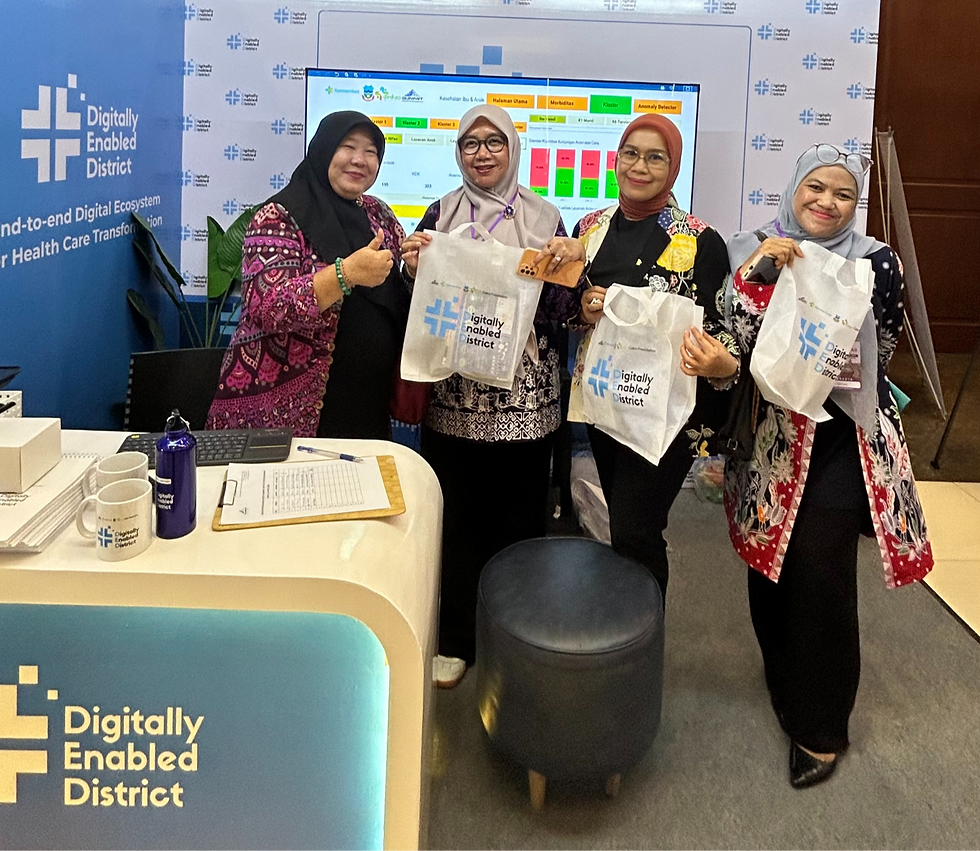
Strengthening partnerships: participants and stakeholders visiting the Summit Institute of Development booth during SEMILOKA 2026


Comments